


SundayDecember 1, 2026
Exhibitions
Exhibition Schedule
December 1–December 20, 2026: Museum Gardens Only
Open areas: Museum gardens, outdoor exhibits
All museum galleries are closed for re-installation.
December 22, 2026–March 22, 2027: Collection Exhibitions
- Galleries and Exhibition Themes
- 3F

3F-1
Closed
3F-2
Closed
- 2F
2F-1
Closed
2F-2
Closed
2F-3
Closed
2F-4
Closed
2F-5
Closed
- 1F
1F-1
Closed
1F-2
Closed
1F-3
Closed
1F-4
Closed
1F-5
Closed
1F-6
Closed
WednesdayDecember 2, 2026
Exhibitions
Exhibition Schedule
December 1–December 20, 2026: Museum Gardens Only
Open areas: Museum gardens, outdoor exhibits
All museum galleries are closed for re-installation.
December 22, 2026–March 22, 2027: Collection Exhibitions
- Galleries and Exhibition Themes
- 3F
3F-1
Closed
3F-2
Closed
- 2F
2F-1
Closed
2F-2
Closed
2F-3
Closed
2F-4
Closed
2F-5
Closed
- 1F
1F-1
Closed
1F-2
Closed
1F-3
Closed
1F-4
Closed
1F-5
Closed
1F-6
Closed
ThursdayDecember 3, 2026
Exhibitions
Exhibition Schedule
December 1–December 20, 2026: Museum Gardens Only
Open areas: Museum gardens, outdoor exhibits
All museum galleries are closed for re-installation.
December 22, 2026–March 22, 2027: Collection Exhibitions
- Galleries and Exhibition Themes
- 3F
3F-1
Closed
3F-2
Closed
- 2F
2F-1
Closed
2F-2
Closed
2F-3
Closed
2F-4
Closed
2F-5
Closed
- 1F
1F-1
Closed
1F-2
Closed
1F-3
Closed
1F-4
Closed
1F-5
Closed
1F-6
Closed
FridayDecember 4, 2026
Exhibitions
Exhibition Schedule
December 1–December 20, 2026: Museum Gardens Only
Open areas: Museum gardens, outdoor exhibits
All museum galleries are closed for re-installation.
December 22, 2026–March 22, 2027: Collection Exhibitions
- Galleries and Exhibition Themes
- 3F
3F-1
Closed
3F-2
Closed
- 2F
2F-1
Closed
2F-2
Closed
2F-3
Closed
2F-4
Closed
2F-5
Closed
- 1F
1F-1
Closed
1F-2
Closed
1F-3
Closed
1F-4
Closed
1F-5
Closed
1F-6
Closed
SaturdayDecember 5, 2026
Exhibitions
Exhibition Schedule
December 1–December 20, 2026: Museum Gardens Only
Open areas: Museum gardens, outdoor exhibits
All museum galleries are closed for re-installation.
December 22, 2026–March 22, 2027: Collection Exhibitions
- Galleries and Exhibition Themes
- 3F
3F-1
Closed
3F-2
Closed
- 2F
2F-1
Closed
2F-2
Closed
2F-3
Closed
2F-4
Closed
2F-5
Closed
- 1F
1F-1
Closed
1F-2
Closed
1F-3
Closed
1F-4
Closed
1F-5
Closed
1F-6
Closed
SundayDecember 6, 2026
Exhibitions
Exhibition Schedule
December 1–December 20, 2026: Museum Gardens Only
Open areas: Museum gardens, outdoor exhibits
All museum galleries are closed for re-installation.
December 22, 2026–March 22, 2027: Collection Exhibitions
- Galleries and Exhibition Themes
- 3F
3F-1
Closed
3F-2
Closed
- 2F
2F-1
Closed
2F-2
Closed
2F-3
Closed
2F-4
Closed
2F-5
Closed
- 1F
1F-1
Closed
1F-2
Closed
1F-3
Closed
1F-4
Closed
1F-5
Closed
1F-6
Closed
MondayDecember 7, 2026
The Museum is ClosedCalendarSee Current Exhibition Details
Exhibition Schedule
December 1–December 20, 2026: Museum Gardens Only
Open areas: Museum gardens, outdoor exhibits
All museum galleries are closed for re-installation.
December 22, 2026–March 22, 2027: Collection Exhibitions
- Galleries and Exhibition Themes
- 3F
3F-1
Closed
3F-2
Closed
- 2F
2F-1
Closed
2F-2
Closed
2F-3
Closed
2F-4
Closed
2F-5
Closed
- 1F
1F-1
Closed
1F-2
Closed
1F-3
Closed
1F-4
Closed
1F-5
Closed
1F-6
Closed
TuesdayDecember 8, 2026
Exhibitions
Exhibition Schedule
December 1–December 20, 2026: Museum Gardens Only
Open areas: Museum gardens, outdoor exhibits
All museum galleries are closed for re-installation.
December 22, 2026–March 22, 2027: Collection Exhibitions
- Galleries and Exhibition Themes
- 3F
3F-1
Closed
3F-2
Closed
- 2F
2F-1
Closed
2F-2
Closed
2F-3
Closed
2F-4
Closed
2F-5
Closed
- 1F
1F-1
Closed
1F-2
Closed
1F-3
Closed
1F-4
Closed
1F-5
Closed
1F-6
Closed
WednesdayDecember 9, 2026
Exhibitions
Exhibition Schedule
December 1–December 20, 2026: Museum Gardens Only
Open areas: Museum gardens, outdoor exhibits
All museum galleries are closed for re-installation.
December 22, 2026–March 22, 2027: Collection Exhibitions
- Galleries and Exhibition Themes
- 3F
3F-1
Closed
3F-2
Closed
- 2F
2F-1
Closed
2F-2
Closed
2F-3
Closed
2F-4
Closed
2F-5
Closed
- 1F
1F-1
Closed
1F-2
Closed
1F-3
Closed
1F-4
Closed
1F-5
Closed
1F-6
Closed
ThursdayDecember 10, 2026
Exhibitions
Exhibition Schedule
December 1–December 20, 2026: Museum Gardens Only
Open areas: Museum gardens, outdoor exhibits
All museum galleries are closed for re-installation.
December 22, 2026–March 22, 2027: Collection Exhibitions
- Galleries and Exhibition Themes
- 3F
3F-1
Closed
3F-2
Closed
- 2F
2F-1
Closed
2F-2
Closed
2F-3
Closed
2F-4
Closed
2F-5
Closed
- 1F
1F-1
Closed
1F-2
Closed
1F-3
Closed
1F-4
Closed
1F-5
Closed
1F-6
Closed
FridayDecember 11, 2026
Exhibitions
Exhibition Schedule
December 1–December 20, 2026: Museum Gardens Only
Open areas: Museum gardens, outdoor exhibits
All museum galleries are closed for re-installation.
December 22, 2026–March 22, 2027: Collection Exhibitions
- Galleries and Exhibition Themes
- 3F
3F-1
Closed
3F-2
Closed
- 2F
2F-1
Closed
2F-2
Closed
2F-3
Closed
2F-4
Closed
2F-5
Closed
- 1F
1F-1
Closed
1F-2
Closed
1F-3
Closed
1F-4
Closed
1F-5
Closed
1F-6
Closed
SaturdayDecember 12, 2026
Exhibitions
Exhibition Schedule
December 1–December 20, 2026: Museum Gardens Only
Open areas: Museum gardens, outdoor exhibits
All museum galleries are closed for re-installation.
December 22, 2026–March 22, 2027: Collection Exhibitions
- Galleries and Exhibition Themes
- 3F
3F-1
Closed
3F-2
Closed
- 2F
2F-1
Closed
2F-2
Closed
2F-3
Closed
2F-4
Closed
2F-5
Closed
- 1F
1F-1
Closed
1F-2
Closed
1F-3
Closed
1F-4
Closed
1F-5
Closed
1F-6
Closed
SundayDecember 13, 2026
Exhibitions
Exhibition Schedule
December 1–December 20, 2026: Museum Gardens Only
Open areas: Museum gardens, outdoor exhibits
All museum galleries are closed for re-installation.
December 22, 2026–March 22, 2027: Collection Exhibitions
- Galleries and Exhibition Themes
- 3F
3F-1
Closed
3F-2
Closed
- 2F
2F-1
Closed
2F-2
Closed
2F-3
Closed
2F-4
Closed
2F-5
Closed
- 1F
1F-1
Closed
1F-2
Closed
1F-3
Closed
1F-4
Closed
1F-5
Closed
1F-6
Closed
MondayDecember 14, 2026
The Museum is ClosedCalendarSee Current Exhibition Details
Exhibition Schedule
December 1–December 20, 2026: Museum Gardens Only
Open areas: Museum gardens, outdoor exhibits
All museum galleries are closed for re-installation.
December 22, 2026–March 22, 2027: Collection Exhibitions
- Galleries and Exhibition Themes
- 3F
3F-1
Closed
3F-2
Closed
- 2F
2F-1
Closed
2F-2
Closed
2F-3
Closed
2F-4
Closed
2F-5
Closed
- 1F
1F-1
Closed
1F-2
Closed
1F-3
Closed
1F-4
Closed
1F-5
Closed
1F-6
Closed
TuesdayDecember 15, 2026
Exhibitions
Exhibition Schedule
December 1–December 20, 2026: Museum Gardens Only
Open areas: Museum gardens, outdoor exhibits
All museum galleries are closed for re-installation.
December 22, 2026–March 22, 2027: Collection Exhibitions
- Galleries and Exhibition Themes
- 3F
3F-1
Closed
3F-2
Closed
- 2F
2F-1
Closed
2F-2
Closed
2F-3
Closed
2F-4
Closed
2F-5
Closed
- 1F
1F-1
Closed
1F-2
Closed
1F-3
Closed
1F-4
Closed
1F-5
Closed
1F-6
Closed
WednesdayDecember 16, 2026
Exhibitions
Exhibition Schedule
December 1–December 20, 2026: Museum Gardens Only
Open areas: Museum gardens, outdoor exhibits
All museum galleries are closed for re-installation.
December 22, 2026–March 22, 2027: Collection Exhibitions
- Galleries and Exhibition Themes
- 3F
3F-1
Closed
3F-2
Closed
- 2F
2F-1
Closed
2F-2
Closed
2F-3
Closed
2F-4
Closed
2F-5
Closed
- 1F
1F-1
Closed
1F-2
Closed
1F-3
Closed
1F-4
Closed
1F-5
Closed
1F-6
Closed
ThursdayDecember 17, 2026
Exhibitions
Exhibition Schedule
December 1–December 20, 2026: Museum Gardens Only
Open areas: Museum gardens, outdoor exhibits
All museum galleries are closed for re-installation.
December 22, 2026–March 22, 2027: Collection Exhibitions
- Galleries and Exhibition Themes
- 3F
3F-1
Closed
3F-2
Closed
- 2F
2F-1
Closed
2F-2
Closed
2F-3
Closed
2F-4
Closed
2F-5
Closed
- 1F
1F-1
Closed
1F-2
Closed
1F-3
Closed
1F-4
Closed
1F-5
Closed
1F-6
Closed
FridayDecember 18, 2026
Exhibitions
Exhibition Schedule
December 1–December 20, 2026: Museum Gardens Only
Open areas: Museum gardens, outdoor exhibits
All museum galleries are closed for re-installation.
December 22, 2026–March 22, 2027: Collection Exhibitions
- Galleries and Exhibition Themes
- 3F
3F-1
Closed
3F-2
Closed
- 2F
2F-1
Closed
2F-2
Closed
2F-3
Closed
2F-4
Closed
2F-5
Closed
- 1F
1F-1
Closed
1F-2
Closed
1F-3
Closed
1F-4
Closed
1F-5
Closed
1F-6
Closed
SaturdayDecember 19, 2026
Exhibitions
Exhibition Schedule
December 1–December 20, 2026: Museum Gardens Only
Open areas: Museum gardens, outdoor exhibits
All museum galleries are closed for re-installation.
December 22, 2026–March 22, 2027: Collection Exhibitions
- Galleries and Exhibition Themes
- 3F
3F-1
Closed
3F-2
Closed
- 2F
2F-1
Closed
2F-2
Closed
2F-3
Closed
2F-4
Closed
2F-5
Closed
- 1F
1F-1
Closed
1F-2
Closed
1F-3
Closed
1F-4
Closed
1F-5
Closed
1F-6
Closed
SundayDecember 20, 2026
Exhibitions
Exhibition Schedule
December 1–December 20, 2026: Museum Gardens Only
Open areas: Museum gardens, outdoor exhibits
All museum galleries are closed for re-installation.
December 22, 2026–March 22, 2027: Collection Exhibitions
- Galleries and Exhibition Themes
- 3F
3F-1
Closed
3F-2
Closed
- 2F
2F-1
Closed
2F-2
Closed
2F-3
Closed
2F-4
Closed
2F-5
Closed
- 1F
1F-1
Closed
1F-2
Closed
1F-3
Closed
1F-4
Closed
1F-5
Closed
1F-6
Closed
MondayDecember 21, 2026
The Museum is ClosedCalendarSee Current Exhibition Details
Exhibition Schedule
December 1–December 20, 2026: Museum Gardens Only
Open areas: Museum gardens, outdoor exhibits
All museum galleries are closed for re-installation.
December 22, 2026–March 22, 2027: Collection Exhibitions
- Galleries and Exhibition Themes
- 3F
3F-1
Closed
3F-2
Closed
- 2F
2F-1
Closed
2F-2
Closed
2F-3
Closed
2F-4
Closed
2F-5
Closed
- 1F
1F-1
Closed
1F-2
Closed
1F-3
Closed
1F-4
Closed
1F-5
Closed
1F-6
Closed
TuesdayDecember 22, 2026
Exhibitions
Exhibition Schedule
December 1–December 20, 2026: Museum Gardens Only
Open areas: Museum gardens, outdoor exhibits
All museum galleries are closed for re-installation.
December 22, 2026–March 22, 2027: Collection Exhibitions
- Galleries and Exhibition Themes
- 3F
3F-1
Closed
3F-2
Closed
- 2F
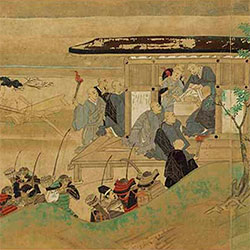
2F-1 Illustrated Handscrolls
The Karoku Persecution of Pure Land Buddhism: 800 Years Later
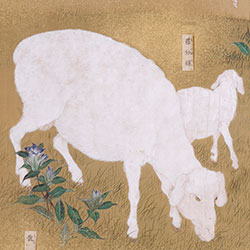
Gallery 2F-2 Feature Exhibition
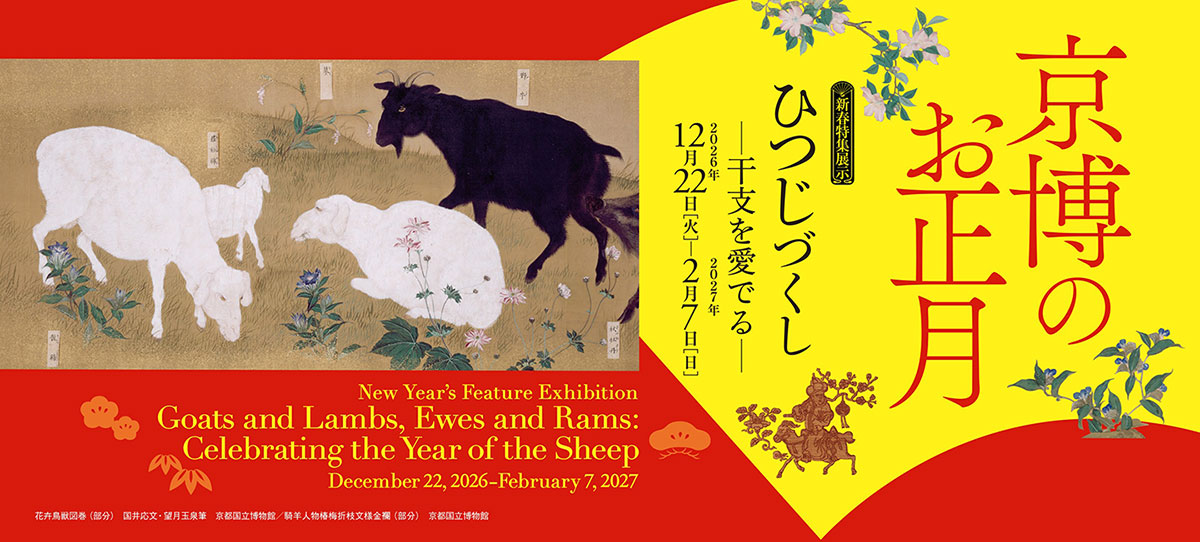
New Year’s Feature Exhibition
Goats and Lambs, Ewes and Rams: Celebrating the Year of the Sheep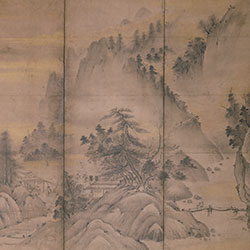
2F-3 Medieval Paintings
Paintings of the Ami School, Part I
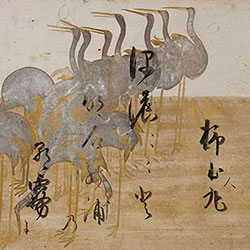
2F-4 Momoyama-Edo Paintings
Symphonies of Image and Text
2F-5 Chinese Paintings
The Three Friends of Winter: Pine, Bamboo, and Plum

WednesdayDecember 23, 2026
Exhibitions
Exhibition Schedule
December 1–December 20, 2026: Museum Gardens Only
Open areas: Museum gardens, outdoor exhibits
All museum galleries are closed for re-installation.
December 22, 2026–March 22, 2027: Collection Exhibitions
- Galleries and Exhibition Themes
- 3F
3F-1
Closed
3F-2
Closed
- 2F
2F-1 Illustrated Handscrolls
The Karoku Persecution of Pure Land Buddhism: 800 Years Later
Gallery 2F-2 Feature Exhibition
New Year’s Feature Exhibition
Goats and Lambs, Ewes and Rams: Celebrating the Year of the Sheep2F-3 Medieval Paintings
Paintings of the Ami School, Part I
2F-4 Momoyama-Edo Paintings
Symphonies of Image and Text
2F-5 Chinese Paintings
The Three Friends of Winter: Pine, Bamboo, and Plum
ThursdayDecember 24, 2026
Exhibitions
Exhibition Schedule
December 1–December 20, 2026: Museum Gardens Only
Open areas: Museum gardens, outdoor exhibits
All museum galleries are closed for re-installation.
December 22, 2026–March 22, 2027: Collection Exhibitions
- Galleries and Exhibition Themes
- 3F
3F-1
Closed
3F-2
Closed
- 2F
2F-1 Illustrated Handscrolls
The Karoku Persecution of Pure Land Buddhism: 800 Years Later
Gallery 2F-2 Feature Exhibition
New Year’s Feature Exhibition
Goats and Lambs, Ewes and Rams: Celebrating the Year of the Sheep2F-3 Medieval Paintings
Paintings of the Ami School, Part I
2F-4 Momoyama-Edo Paintings
Symphonies of Image and Text
2F-5 Chinese Paintings
The Three Friends of Winter: Pine, Bamboo, and Plum
FridayDecember 25, 2026
Exhibitions
Exhibition Schedule
December 1–December 20, 2026: Museum Gardens Only
Open areas: Museum gardens, outdoor exhibits
All museum galleries are closed for re-installation.
December 22, 2026–March 22, 2027: Collection Exhibitions
- Galleries and Exhibition Themes
- 3F
3F-1
Closed
3F-2
Closed
- 2F
2F-1 Illustrated Handscrolls
The Karoku Persecution of Pure Land Buddhism: 800 Years Later
Gallery 2F-2 Feature Exhibition
New Year’s Feature Exhibition
Goats and Lambs, Ewes and Rams: Celebrating the Year of the Sheep2F-3 Medieval Paintings
Paintings of the Ami School, Part I
2F-4 Momoyama-Edo Paintings
Symphonies of Image and Text
2F-5 Chinese Paintings
The Three Friends of Winter: Pine, Bamboo, and Plum
SaturdayDecember 26, 2026
Exhibitions
Exhibition Schedule
December 1–December 20, 2026: Museum Gardens Only
Open areas: Museum gardens, outdoor exhibits
All museum galleries are closed for re-installation.
December 22, 2026–March 22, 2027: Collection Exhibitions
- Galleries and Exhibition Themes
- 3F
3F-1
Closed
3F-2
Closed
- 2F
2F-1 Illustrated Handscrolls
The Karoku Persecution of Pure Land Buddhism: 800 Years Later
Gallery 2F-2 Feature Exhibition
New Year’s Feature Exhibition
Goats and Lambs, Ewes and Rams: Celebrating the Year of the Sheep2F-3 Medieval Paintings
Paintings of the Ami School, Part I
2F-4 Momoyama-Edo Paintings
Symphonies of Image and Text
2F-5 Chinese Paintings
The Three Friends of Winter: Pine, Bamboo, and Plum
SundayDecember 27, 2026
Exhibitions
Exhibition Schedule
December 1–December 20, 2026: Museum Gardens Only
Open areas: Museum gardens, outdoor exhibits
All museum galleries are closed for re-installation.
December 22, 2026–March 22, 2027: Collection Exhibitions
- Galleries and Exhibition Themes
- 3F
3F-1
Closed
3F-2
Closed
- 2F
2F-1 Illustrated Handscrolls
The Karoku Persecution of Pure Land Buddhism: 800 Years Later
Gallery 2F-2 Feature Exhibition
New Year’s Feature Exhibition
Goats and Lambs, Ewes and Rams: Celebrating the Year of the Sheep2F-3 Medieval Paintings
Paintings of the Ami School, Part I
2F-4 Momoyama-Edo Paintings
Symphonies of Image and Text
2F-5 Chinese Paintings
The Three Friends of Winter: Pine, Bamboo, and Plum
MondayDecember 28, 2026
The Museum is ClosedCalendarSee Current Exhibition Details
Exhibition Schedule
December 1–December 20, 2026: Museum Gardens Only
Open areas: Museum gardens, outdoor exhibits
All museum galleries are closed for re-installation.
December 22, 2026–March 22, 2027: Collection Exhibitions
- Galleries and Exhibition Themes
- 3F
3F-1
Closed
3F-2
Closed
- 2F
2F-1 Illustrated Handscrolls
The Karoku Persecution of Pure Land Buddhism: 800 Years Later
Gallery 2F-2 Feature Exhibition
New Year’s Feature Exhibition
Goats and Lambs, Ewes and Rams: Celebrating the Year of the Sheep2F-3 Medieval Paintings
Paintings of the Ami School, Part I
2F-4 Momoyama-Edo Paintings
Symphonies of Image and Text
2F-5 Chinese Paintings
The Three Friends of Winter: Pine, Bamboo, and Plum
TuesdayDecember 29, 2026
The Museum is ClosedCalendarSee Current Exhibition Details
Exhibition Schedule
December 1–December 20, 2026: Museum Gardens Only
Open areas: Museum gardens, outdoor exhibits
All museum galleries are closed for re-installation.
December 22, 2026–March 22, 2027: Collection Exhibitions
- Galleries and Exhibition Themes
- 3F
3F-1
Closed
3F-2
Closed
- 2F
2F-1 Illustrated Handscrolls
The Karoku Persecution of Pure Land Buddhism: 800 Years Later
Gallery 2F-2 Feature Exhibition
New Year’s Feature Exhibition
Goats and Lambs, Ewes and Rams: Celebrating the Year of the Sheep2F-3 Medieval Paintings
Paintings of the Ami School, Part I
2F-4 Momoyama-Edo Paintings
Symphonies of Image and Text
2F-5 Chinese Paintings
The Three Friends of Winter: Pine, Bamboo, and Plum
WednesdayDecember 30, 2026
The Museum is ClosedCalendarSee Current Exhibition Details
Exhibition Schedule
December 1–December 20, 2026: Museum Gardens Only
Open areas: Museum gardens, outdoor exhibits
All museum galleries are closed for re-installation.
December 22, 2026–March 22, 2027: Collection Exhibitions
- Galleries and Exhibition Themes
- 3F
3F-1
Closed
3F-2
Closed
- 2F
2F-1 Illustrated Handscrolls
The Karoku Persecution of Pure Land Buddhism: 800 Years Later
Gallery 2F-2 Feature Exhibition
New Year’s Feature Exhibition
Goats and Lambs, Ewes and Rams: Celebrating the Year of the Sheep2F-3 Medieval Paintings
Paintings of the Ami School, Part I
2F-4 Momoyama-Edo Paintings
Symphonies of Image and Text
2F-5 Chinese Paintings
The Three Friends of Winter: Pine, Bamboo, and Plum
ThursdayDecember 31, 2026
The Museum is ClosedCalendarSee Current Exhibition Details
Exhibition Schedule
December 1–December 20, 2026: Museum Gardens Only
Open areas: Museum gardens, outdoor exhibits
All museum galleries are closed for re-installation.
December 22, 2026–March 22, 2027: Collection Exhibitions
- Galleries and Exhibition Themes
- 3F
3F-1
Closed
3F-2
Closed
- 2F
2F-1 Illustrated Handscrolls
The Karoku Persecution of Pure Land Buddhism: 800 Years Later
Gallery 2F-2 Feature Exhibition
New Year’s Feature Exhibition
Goats and Lambs, Ewes and Rams: Celebrating the Year of the Sheep2F-3 Medieval Paintings
Paintings of the Ami School, Part I
2F-4 Momoyama-Edo Paintings
Symphonies of Image and Text
2F-5 Chinese Paintings
The Three Friends of Winter: Pine, Bamboo, and Plum
Also On View in the Collection Galleries特別展観覧料が必要
The Karoku Persecution of Pure Land Buddhism: 800 Years Later
December 22, 2026–January 24, 2027
Illustrated Handscrolls|2F-1 gallery
The monk Hōnen (1133–1212) was the founder of the Japanese Pure Land school of Buddhism. Exactly 800 years ago in 1227 (Karoku 3), his tomb, the Ōtani Mausoleum in Higashiyama, was destroyed by the Tendai school. Hōnen’s buried remains were saved by his followers and ultimately cremated in Aono (present-day Nagaokakyo, southwest of Kyoto). This chain of events, which also included the exile of Pure Land monks and the burning of sacred doctrines, is known as the Karoku Persecution—one of the many attempts to oppress the budding Pure Land school. This exhibition presents illustrated handscrolls depicting this incident. The legacy of the Karoku Persecution survives to the present day—each year, on January 24 there is a pilgrimage to Kōmyō-ji Temple, where Hōnen’s cremation took place.
Paintings of the Ami School, Part I
December 22, 2026–January 24, 2027
Medieval Paintings|2F-3 gallery
The Ami were artists and connoisseurs who served as curatorial advisors to the Muromachi shogunate in Kyoto during the mid-fifteenth and early sixteenth centuries. Their activities included the management and appraisal of imported artworks (known as karamono, or “Chinese goods”), the coordination of the interior décor of reception rooms, and the production of ink paintings. Ami artists were active across three generations, beginning with their founder Nōami (1397–1471), followed by Geiami (1431–1485), and finally Sōami (d. 1525); they also taught a number of disciples. The second-generation head Geiami taught the Zen monk-painter Shōkei (dates unknown), who was visiting Kyoto from Kamakura, thus exerting a profound influence on the painting circles of eastern Japan as well. Ami artists had daily access to the Ashikaga shogunate’s outstanding collection of Chinese paintings—including works attributed to the Southern Song monk-painter Muqi and the court painter Xia Gui—and carefully studied their brushstrokes and motifs. Among the many modes of ink painting being produced at the time, the Ami style was distinguished for its exceptional refinement.
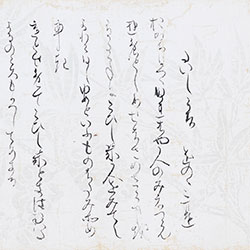
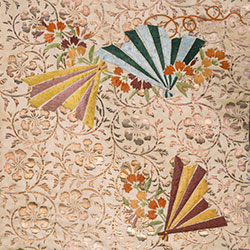
Symphonies of Image and Text
December 22, 2026–February 7, 2027
Momoyama-Edo Paintings|2F-4 gallery
Painting and literature have long been intimately connected in ways that extend far beyond the illustration of poems and stories. In the East Asian cultural sphere, this relationship was expressed in the concept that “painting and calligraphy are fundamentally one” (J: shoga itchi), which originated in Tang-dynasty (618–907) China. Over the centuries, painting and the written word have resonated with one another in richly layered forms of artistic expression. Neither is subordinate to the other—each asserts its own expressive power—yet together they produce remarkable harmonies that may be likened to music. This exhibition explores pictorial and literary “symphonies” from three perspectives: the text and images of narrative handscrolls, painting as decoration on the paper used for calligraphy, and travel literature and haiga—the images associated with haiku poetry.
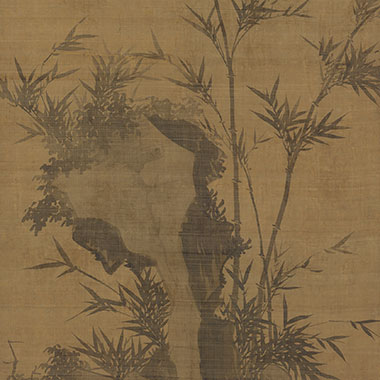
The Three Friends of Winter: Pine, Bamboo, and Plum
December 22, 2026–February 7, 2027
Chinese Paintings|2F-5 gallery
The combination of pine, bamboo, and plum is a quintessential sight during the Japanese New Year. In Japan, these plants serve as auspicious symbols of long life and prosperity, while in China they are known as the “Three Friends of Winter.” As pine and bamboo both remain green during even the harshest of winters, and plum trees unfurl their fragrant blossoms while snow still lingers, they came to represent a resilient, steadfast, and noble character. The plants were frequently depicted in ink paintings by Song-dynasty (960–1279) scholar-officials as a means of expressing their inner selves, a tradition which was inherited by later generations of literati. Focusing on Chinese examples, this exhibition explores how artists have depicted these plants as ideals of perseverance and enduring vitality.
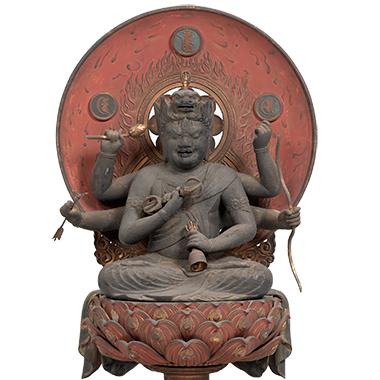
Introduction to Buddhist Sculpture
December 22, 2026–March 22, 2027
Sculpture|1F-1 gallery
*Under Construction
Calligraphy I
December 22, 2026–January 24, 2027
Calligraphy|1F-3 gallery
*Under Construction
Textiles and Costume
December 22, 2026–January 31, 2027
Textiles and Costumes|1F-4 gallery
*Under Construction
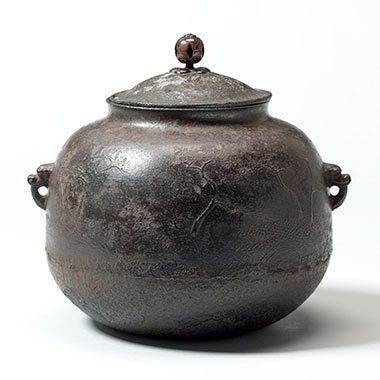
Kettles for Tea
December 22, 2026–February 7, 2027
Metalwork|1F-5 gallery
The traditional tea event held during the New Year is known as Hatsugama, literally meaning “First Kettle.” The “kettle” referred to here is the tea kettle used to boil water during a tea gathering (chaji).
The tea kettle is often referred to as the “host of the tea room” due to its role as one of the most essential utensils for tea. The phrase “put on the kettle” (kama o kakeru) is best understood today as a euphemism for holding a tea gathering.
This exhibition presents tea kettles from the medieval period to the early modern era, many of which have been passed down over the centuries in Kyoto’s temples.
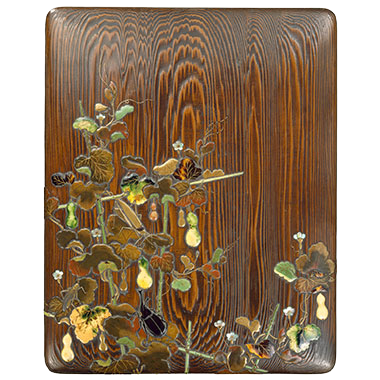
Lacquerware
December 22, 2026–February 7, 2027
Lacquerware|1F-6 gallery
*Under Construction
Title and URL copied to clipboard
- Share


