


MondayMarch 1, 2027
The Museum is ClosedCalendarSee Current Exhibition Details
Exhibition Schedule
December 22, 2026–March 22, 2027: Collection Exhibitions
March 24–April 18, 2027: Museum Gardens Only
Open areas: Museum gardens, outdoor exhibits
All museum galleries are closed for re-installation.
- Galleries and Exhibition Themes
- 3F
- 2F
- 1F
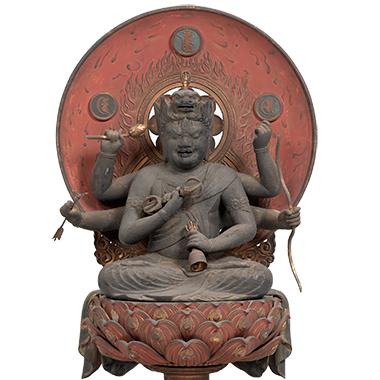
1F-1 Sculpture
Introduction to Buddhist Sculpture

Gallery 1F-2 Feature Exhibition
Feature Exhibition
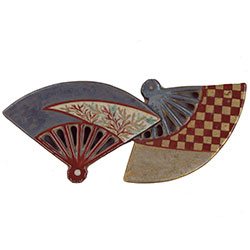
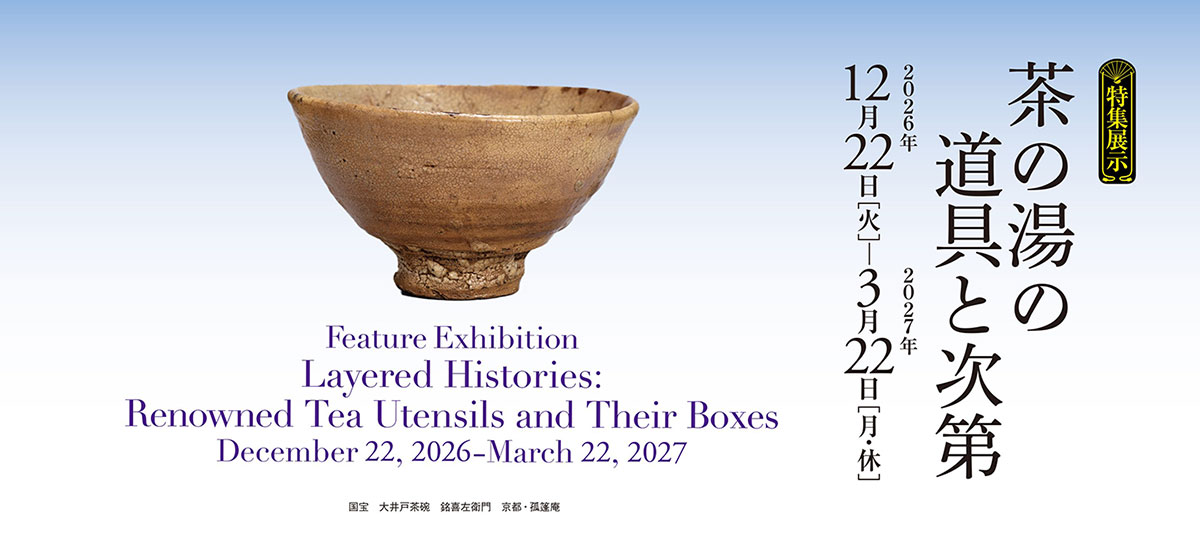
Layered Histories: Renowned Tea Utensils and Their Boxes
1F-3 Calligraphy
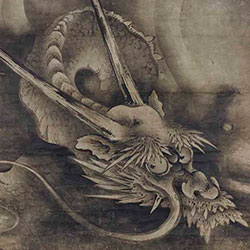
Calligraphy III

Gallery 1F-4 Feature Exhibition
Feature Exhibition
Celebrating the Japanese Doll Festival1F-5, 6 Metalwork
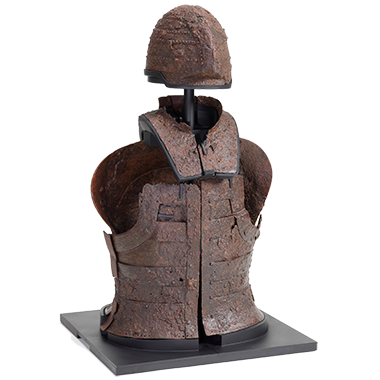
Metalwork II
1F-5, 6 Metalwork
Metalwork II
TuesdayMarch 2, 2027
Exhibitions
Exhibition Schedule
December 22, 2026–March 22, 2027: Collection Exhibitions
March 24–April 18, 2027: Museum Gardens Only
Open areas: Museum gardens, outdoor exhibits
All museum galleries are closed for re-installation.
- Galleries and Exhibition Themes
- 3F
- 2F
- 1F
1F-1 Sculpture
Introduction to Buddhist Sculpture
Gallery 1F-2 Feature Exhibition
Feature Exhibition
Layered Histories: Renowned Tea Utensils and Their Boxes1F-3 Calligraphy
Calligraphy III
Gallery 1F-4 Feature Exhibition
Feature Exhibition
Celebrating the Japanese Doll Festival1F-5, 6 Metalwork
Metalwork II
1F-5, 6 Metalwork
Metalwork II
WednesdayMarch 3, 2027
Exhibitions
Exhibition Schedule
December 22, 2026–March 22, 2027: Collection Exhibitions
March 24–April 18, 2027: Museum Gardens Only
Open areas: Museum gardens, outdoor exhibits
All museum galleries are closed for re-installation.
- Galleries and Exhibition Themes
- 3F
- 2F
- 1F
1F-1 Sculpture
Introduction to Buddhist Sculpture
Gallery 1F-2 Feature Exhibition
Feature Exhibition
Layered Histories: Renowned Tea Utensils and Their Boxes1F-3 Calligraphy
Calligraphy III
Gallery 1F-4 Feature Exhibition
Feature Exhibition
Celebrating the Japanese Doll Festival1F-5, 6 Metalwork
Metalwork II
1F-5, 6 Metalwork
Metalwork II
ThursdayMarch 4, 2027
Exhibitions
Exhibition Schedule
December 22, 2026–March 22, 2027: Collection Exhibitions
March 24–April 18, 2027: Museum Gardens Only
Open areas: Museum gardens, outdoor exhibits
All museum galleries are closed for re-installation.
- Galleries and Exhibition Themes
- 3F
- 2F
- 1F
1F-1 Sculpture
Introduction to Buddhist Sculpture
Gallery 1F-2 Feature Exhibition
Feature Exhibition
Layered Histories: Renowned Tea Utensils and Their Boxes1F-3 Calligraphy
Calligraphy III
Gallery 1F-4 Feature Exhibition
Feature Exhibition
Celebrating the Japanese Doll Festival1F-5, 6 Metalwork
Metalwork II
1F-5, 6 Metalwork
Metalwork II
FridayMarch 5, 2027
Exhibitions
Exhibition Schedule
December 22, 2026–March 22, 2027: Collection Exhibitions
March 24–April 18, 2027: Museum Gardens Only
Open areas: Museum gardens, outdoor exhibits
All museum galleries are closed for re-installation.
- Galleries and Exhibition Themes
- 3F
- 2F
- 1F
1F-1 Sculpture
Introduction to Buddhist Sculpture
Gallery 1F-2 Feature Exhibition
Feature Exhibition
Layered Histories: Renowned Tea Utensils and Their Boxes1F-3 Calligraphy
Calligraphy III
Gallery 1F-4 Feature Exhibition
Feature Exhibition
Celebrating the Japanese Doll Festival1F-5, 6 Metalwork
Metalwork II
1F-5, 6 Metalwork
Metalwork II
SaturdayMarch 6, 2027
Exhibitions
Exhibition Schedule
December 22, 2026–March 22, 2027: Collection Exhibitions
March 24–April 18, 2027: Museum Gardens Only
Open areas: Museum gardens, outdoor exhibits
All museum galleries are closed for re-installation.
- Galleries and Exhibition Themes
- 3F
- 2F
- 1F
1F-1 Sculpture
Introduction to Buddhist Sculpture
Gallery 1F-2 Feature Exhibition
Feature Exhibition
Layered Histories: Renowned Tea Utensils and Their Boxes1F-3 Calligraphy
Calligraphy III
Gallery 1F-4 Feature Exhibition
Feature Exhibition
Celebrating the Japanese Doll Festival1F-5, 6 Metalwork
Metalwork II
1F-5, 6 Metalwork
Metalwork II
SundayMarch 7, 2027
Exhibitions
Exhibition Schedule
December 22, 2026–March 22, 2027: Collection Exhibitions
March 24–April 18, 2027: Museum Gardens Only
Open areas: Museum gardens, outdoor exhibits
All museum galleries are closed for re-installation.
- Galleries and Exhibition Themes
- 3F
- 2F
- 1F
1F-1 Sculpture
Introduction to Buddhist Sculpture
Gallery 1F-2 Feature Exhibition
Feature Exhibition
Layered Histories: Renowned Tea Utensils and Their Boxes1F-3 Calligraphy
Calligraphy III
Gallery 1F-4 Feature Exhibition
Feature Exhibition
Celebrating the Japanese Doll Festival1F-5, 6 Metalwork
Metalwork II
1F-5, 6 Metalwork
Metalwork II
MondayMarch 8, 2027
The Museum is ClosedCalendarSee Current Exhibition Details
Exhibition Schedule
December 22, 2026–March 22, 2027: Collection Exhibitions
March 24–April 18, 2027: Museum Gardens Only
Open areas: Museum gardens, outdoor exhibits
All museum galleries are closed for re-installation.
- Galleries and Exhibition Themes
- 3F
- 2F
- 1F
1F-1 Sculpture
Introduction to Buddhist Sculpture
Gallery 1F-2 Feature Exhibition
Feature Exhibition
Layered Histories: Renowned Tea Utensils and Their Boxes1F-3 Calligraphy
Calligraphy III
Gallery 1F-4 Feature Exhibition
Feature Exhibition
Celebrating the Japanese Doll Festival1F-5, 6 Metalwork
Metalwork II
1F-5, 6 Metalwork
Metalwork II
TuesdayMarch 9, 2027
Exhibitions
Exhibition Schedule
December 22, 2026–March 22, 2027: Collection Exhibitions
March 24–April 18, 2027: Museum Gardens Only
Open areas: Museum gardens, outdoor exhibits
All museum galleries are closed for re-installation.
- Galleries and Exhibition Themes
- 3F
- 2F
- 1F
1F-1 Sculpture
Introduction to Buddhist Sculpture
Gallery 1F-2 Feature Exhibition
Feature Exhibition
Layered Histories: Renowned Tea Utensils and Their Boxes1F-3 Calligraphy
Calligraphy III
Gallery 1F-4 Feature Exhibition
Feature Exhibition
Celebrating the Japanese Doll Festival1F-5, 6 Metalwork
Metalwork II
1F-5, 6 Metalwork
Metalwork II
WednesdayMarch 10, 2027
Exhibitions
Exhibition Schedule
December 22, 2026–March 22, 2027: Collection Exhibitions
March 24–April 18, 2027: Museum Gardens Only
Open areas: Museum gardens, outdoor exhibits
All museum galleries are closed for re-installation.
- Galleries and Exhibition Themes
- 3F
- 2F
- 1F
1F-1 Sculpture
Introduction to Buddhist Sculpture
Gallery 1F-2 Feature Exhibition
Feature Exhibition
Layered Histories: Renowned Tea Utensils and Their Boxes1F-3 Calligraphy
Calligraphy III
Gallery 1F-4 Feature Exhibition
Feature Exhibition
Celebrating the Japanese Doll Festival1F-5, 6 Metalwork
Metalwork II
1F-5, 6 Metalwork
Metalwork II
ThursdayMarch 11, 2027
Exhibitions
Exhibition Schedule
December 22, 2026–March 22, 2027: Collection Exhibitions
March 24–April 18, 2027: Museum Gardens Only
Open areas: Museum gardens, outdoor exhibits
All museum galleries are closed for re-installation.
- Galleries and Exhibition Themes
- 3F
- 2F
- 1F
1F-1 Sculpture
Introduction to Buddhist Sculpture
Gallery 1F-2 Feature Exhibition
Feature Exhibition
Layered Histories: Renowned Tea Utensils and Their Boxes1F-3 Calligraphy
Calligraphy III
Gallery 1F-4 Feature Exhibition
Feature Exhibition
Celebrating the Japanese Doll Festival1F-5, 6 Metalwork
Metalwork II
1F-5, 6 Metalwork
Metalwork II
FridayMarch 12, 2027
Exhibitions
Exhibition Schedule
December 22, 2026–March 22, 2027: Collection Exhibitions
March 24–April 18, 2027: Museum Gardens Only
Open areas: Museum gardens, outdoor exhibits
All museum galleries are closed for re-installation.
- Galleries and Exhibition Themes
- 3F
- 2F
- 1F
1F-1 Sculpture
Introduction to Buddhist Sculpture
Gallery 1F-2 Feature Exhibition
Feature Exhibition
Layered Histories: Renowned Tea Utensils and Their Boxes1F-3 Calligraphy
Calligraphy III
Gallery 1F-4 Feature Exhibition
Feature Exhibition
Celebrating the Japanese Doll Festival1F-5, 6 Metalwork
Metalwork II
1F-5, 6 Metalwork
Metalwork II
SaturdayMarch 13, 2027
Exhibitions
Exhibition Schedule
December 22, 2026–March 22, 2027: Collection Exhibitions
March 24–April 18, 2027: Museum Gardens Only
Open areas: Museum gardens, outdoor exhibits
All museum galleries are closed for re-installation.
- Galleries and Exhibition Themes
- 3F
- 2F
- 1F
1F-1 Sculpture
Introduction to Buddhist Sculpture
Gallery 1F-2 Feature Exhibition
Feature Exhibition
Layered Histories: Renowned Tea Utensils and Their Boxes1F-3 Calligraphy
Calligraphy III
Gallery 1F-4 Feature Exhibition
Feature Exhibition
Celebrating the Japanese Doll Festival1F-5, 6 Metalwork
Metalwork II
1F-5, 6 Metalwork
Metalwork II
SundayMarch 14, 2027
Exhibitions
Exhibition Schedule
December 22, 2026–March 22, 2027: Collection Exhibitions
March 24–April 18, 2027: Museum Gardens Only
Open areas: Museum gardens, outdoor exhibits
All museum galleries are closed for re-installation.
- Galleries and Exhibition Themes
- 3F
- 2F
- 1F
1F-1 Sculpture
Introduction to Buddhist Sculpture
Gallery 1F-2 Feature Exhibition
Feature Exhibition
Layered Histories: Renowned Tea Utensils and Their Boxes1F-3 Calligraphy
Calligraphy III
Gallery 1F-4 Feature Exhibition
Feature Exhibition
Celebrating the Japanese Doll Festival1F-5, 6 Metalwork
Metalwork II
1F-5, 6 Metalwork
Metalwork II
MondayMarch 15, 2027
The Museum is ClosedCalendarSee Current Exhibition Details
Exhibition Schedule
December 22, 2026–March 22, 2027: Collection Exhibitions
March 24–April 18, 2027: Museum Gardens Only
Open areas: Museum gardens, outdoor exhibits
All museum galleries are closed for re-installation.
- Galleries and Exhibition Themes
- 3F
- 2F
- 1F
1F-1 Sculpture
Introduction to Buddhist Sculpture
Gallery 1F-2 Feature Exhibition
Feature Exhibition
Layered Histories: Renowned Tea Utensils and Their Boxes1F-3 Calligraphy
Calligraphy III
Gallery 1F-4 Feature Exhibition
Feature Exhibition
Celebrating the Japanese Doll Festival1F-5, 6 Metalwork
Metalwork II
1F-5, 6 Metalwork
Metalwork II
TuesdayMarch 16, 2027
Exhibitions
Exhibition Schedule
December 22, 2026–March 22, 2027: Collection Exhibitions
March 24–April 18, 2027: Museum Gardens Only
Open areas: Museum gardens, outdoor exhibits
All museum galleries are closed for re-installation.
- Galleries and Exhibition Themes
- 3F
- 2F
- 1F
1F-1 Sculpture
Introduction to Buddhist Sculpture
Gallery 1F-2 Feature Exhibition
Feature Exhibition
Layered Histories: Renowned Tea Utensils and Their Boxes1F-3 Calligraphy
Calligraphy III
Gallery 1F-4 Feature Exhibition
Feature Exhibition
Celebrating the Japanese Doll Festival1F-5, 6 Metalwork
Metalwork II
1F-5, 6 Metalwork
Metalwork II
WednesdayMarch 17, 2027
Exhibitions
Exhibition Schedule
December 22, 2026–March 22, 2027: Collection Exhibitions
March 24–April 18, 2027: Museum Gardens Only
Open areas: Museum gardens, outdoor exhibits
All museum galleries are closed for re-installation.
- Galleries and Exhibition Themes
- 3F
- 2F
- 1F
1F-1 Sculpture
Introduction to Buddhist Sculpture
Gallery 1F-2 Feature Exhibition
Feature Exhibition
Layered Histories: Renowned Tea Utensils and Their Boxes1F-3 Calligraphy
Calligraphy III
Gallery 1F-4 Feature Exhibition
Feature Exhibition
Celebrating the Japanese Doll Festival1F-5, 6 Metalwork
Metalwork II
1F-5, 6 Metalwork
Metalwork II
ThursdayMarch 18, 2027
Exhibitions
Exhibition Schedule
December 22, 2026–March 22, 2027: Collection Exhibitions
March 24–April 18, 2027: Museum Gardens Only
Open areas: Museum gardens, outdoor exhibits
All museum galleries are closed for re-installation.
- Galleries and Exhibition Themes
- 3F
- 2F
- 1F
1F-1 Sculpture
Introduction to Buddhist Sculpture
Gallery 1F-2 Feature Exhibition
Feature Exhibition
Layered Histories: Renowned Tea Utensils and Their Boxes1F-3 Calligraphy
Calligraphy III
Gallery 1F-4 Feature Exhibition
Feature Exhibition
Celebrating the Japanese Doll Festival1F-5, 6 Metalwork
Metalwork II
1F-5, 6 Metalwork
Metalwork II
FridayMarch 19, 2027
Exhibitions
Exhibition Schedule
December 22, 2026–March 22, 2027: Collection Exhibitions
March 24–April 18, 2027: Museum Gardens Only
Open areas: Museum gardens, outdoor exhibits
All museum galleries are closed for re-installation.
- Galleries and Exhibition Themes
- 3F
- 2F
- 1F
1F-1 Sculpture
Introduction to Buddhist Sculpture
Gallery 1F-2 Feature Exhibition
Feature Exhibition
Layered Histories: Renowned Tea Utensils and Their Boxes1F-3 Calligraphy
Calligraphy III
Gallery 1F-4 Feature Exhibition
Feature Exhibition
Celebrating the Japanese Doll Festival1F-5, 6 Metalwork
Metalwork II
1F-5, 6 Metalwork
Metalwork II
SaturdayMarch 20, 2027
Exhibitions
Exhibition Schedule
December 22, 2026–March 22, 2027: Collection Exhibitions
March 24–April 18, 2027: Museum Gardens Only
Open areas: Museum gardens, outdoor exhibits
All museum galleries are closed for re-installation.
- Galleries and Exhibition Themes
- 3F
- 2F
- 1F
1F-1 Sculpture
Introduction to Buddhist Sculpture
Gallery 1F-2 Feature Exhibition
Feature Exhibition
Layered Histories: Renowned Tea Utensils and Their Boxes1F-3 Calligraphy
Calligraphy III
Gallery 1F-4 Feature Exhibition
Feature Exhibition
Celebrating the Japanese Doll Festival1F-5, 6 Metalwork
Metalwork II
1F-5, 6 Metalwork
Metalwork II
SundayMarch 21, 2027
Exhibitions
Exhibition Schedule
December 22, 2026–March 22, 2027: Collection Exhibitions
March 24–April 18, 2027: Museum Gardens Only
Open areas: Museum gardens, outdoor exhibits
All museum galleries are closed for re-installation.
- Galleries and Exhibition Themes
- 3F
- 2F
- 1F
1F-1 Sculpture
Introduction to Buddhist Sculpture
Gallery 1F-2 Feature Exhibition
Feature Exhibition
Layered Histories: Renowned Tea Utensils and Their Boxes1F-3 Calligraphy
Calligraphy III
Gallery 1F-4 Feature Exhibition
Feature Exhibition
Celebrating the Japanese Doll Festival1F-5, 6 Metalwork
Metalwork II
1F-5, 6 Metalwork
Metalwork II
MondayMarch 22, 2027
Exhibitions
Exhibition Schedule
December 22, 2026–March 22, 2027: Collection Exhibitions
March 24–April 18, 2027: Museum Gardens Only
Open areas: Museum gardens, outdoor exhibits
All museum galleries are closed for re-installation.
- Galleries and Exhibition Themes
- 3F
- 2F
- 1F
1F-1 Sculpture
Introduction to Buddhist Sculpture
Gallery 1F-2 Feature Exhibition
Feature Exhibition
Layered Histories: Renowned Tea Utensils and Their Boxes1F-3 Calligraphy
Calligraphy III
Gallery 1F-4 Feature Exhibition
Feature Exhibition
Celebrating the Japanese Doll Festival1F-5, 6 Metalwork
Metalwork II
1F-5, 6 Metalwork
Metalwork II
TuesdayMarch 23, 2027
The Museum is ClosedCalendarSee Current Exhibition Details
Exhibition Schedule
December 22, 2026–March 22, 2027: Collection Exhibitions
March 24–April 18, 2027: Museum Gardens Only
Open areas: Museum gardens, outdoor exhibits
All museum galleries are closed for re-installation.
- Galleries and Exhibition Themes
- 3F

3F-1
Closed
3F-2
Closed
- 2F
2F-1
Closed
2F-2
Closed
2F-3
Closed
2F-4
Closed
2F-5
Closed
- 1F
1F-1
Closed
1F-2
Closed
1F-3
Closed
1F-4
Closed
1F-5
Closed
1F-6
Closed
WednesdayMarch 24, 2027
Exhibitions
Exhibition Schedule
December 22, 2026–March 22, 2027: Collection Exhibitions
March 24–April 18, 2027: Museum Gardens Only
Open areas: Museum gardens, outdoor exhibits
All museum galleries are closed for re-installation.
- Galleries and Exhibition Themes
- 3F
3F-1
Closed
3F-2
Closed
- 2F
2F-1
Closed
2F-2
Closed
2F-3
Closed
2F-4
Closed
2F-5
Closed
- 1F
1F-1
Closed
1F-2
Closed
1F-3
Closed
1F-4
Closed
1F-5
Closed
1F-6
Closed
ThursdayMarch 25, 2027
Exhibitions
Exhibition Schedule
December 22, 2026–March 22, 2027: Collection Exhibitions
March 24–April 18, 2027: Museum Gardens Only
Open areas: Museum gardens, outdoor exhibits
All museum galleries are closed for re-installation.
- Galleries and Exhibition Themes
- 3F
3F-1
Closed
3F-2
Closed
- 2F
2F-1
Closed
2F-2
Closed
2F-3
Closed
2F-4
Closed
2F-5
Closed
- 1F
1F-1
Closed
1F-2
Closed
1F-3
Closed
1F-4
Closed
1F-5
Closed
1F-6
Closed
FridayMarch 26, 2027
Exhibitions
Exhibition Schedule
December 22, 2026–March 22, 2027: Collection Exhibitions
March 24–April 18, 2027: Museum Gardens Only
Open areas: Museum gardens, outdoor exhibits
All museum galleries are closed for re-installation.
- Galleries and Exhibition Themes
- 3F
3F-1
Closed
3F-2
Closed
- 2F
2F-1
Closed
2F-2
Closed
2F-3
Closed
2F-4
Closed
2F-5
Closed
- 1F
1F-1
Closed
1F-2
Closed
1F-3
Closed
1F-4
Closed
1F-5
Closed
1F-6
Closed
SaturdayMarch 27, 2027
Exhibitions
Exhibition Schedule
December 22, 2026–March 22, 2027: Collection Exhibitions
March 24–April 18, 2027: Museum Gardens Only
Open areas: Museum gardens, outdoor exhibits
All museum galleries are closed for re-installation.
- Galleries and Exhibition Themes
- 3F
3F-1
Closed
3F-2
Closed
- 2F
2F-1
Closed
2F-2
Closed
2F-3
Closed
2F-4
Closed
2F-5
Closed
- 1F
1F-1
Closed
1F-2
Closed
1F-3
Closed
1F-4
Closed
1F-5
Closed
1F-6
Closed
SundayMarch 28, 2027
Exhibitions
Exhibition Schedule
December 22, 2026–March 22, 2027: Collection Exhibitions
March 24–April 18, 2027: Museum Gardens Only
Open areas: Museum gardens, outdoor exhibits
All museum galleries are closed for re-installation.
- Galleries and Exhibition Themes
- 3F
3F-1
Closed
3F-2
Closed
- 2F
2F-1
Closed
2F-2
Closed
2F-3
Closed
2F-4
Closed
2F-5
Closed
- 1F
1F-1
Closed
1F-2
Closed
1F-3
Closed
1F-4
Closed
1F-5
Closed
1F-6
Closed
MondayMarch 29, 2027
The Museum is ClosedCalendarSee Current Exhibition Details
Exhibition Schedule
December 22, 2026–March 22, 2027: Collection Exhibitions
March 24–April 18, 2027: Museum Gardens Only
Open areas: Museum gardens, outdoor exhibits
All museum galleries are closed for re-installation.
- Galleries and Exhibition Themes
- 3F
3F-1
Closed
3F-2
Closed
- 2F
2F-1
Closed
2F-2
Closed
2F-3
Closed
2F-4
Closed
2F-5
Closed
- 1F
1F-1
Closed
1F-2
Closed
1F-3
Closed
1F-4
Closed
1F-5
Closed
1F-6
Closed
TuesdayMarch 30, 2027
Exhibitions
Exhibition Schedule
December 22, 2026–March 22, 2027: Collection Exhibitions
March 24–April 18, 2027: Museum Gardens Only
Open areas: Museum gardens, outdoor exhibits
All museum galleries are closed for re-installation.
- Galleries and Exhibition Themes
- 3F
3F-1
Closed
3F-2
Closed
- 2F
2F-1
Closed
2F-2
Closed
2F-3
Closed
2F-4
Closed
2F-5
Closed
- 1F
1F-1
Closed
1F-2
Closed
1F-3
Closed
1F-4
Closed
1F-5
Closed
1F-6
Closed
WednesdayMarch 31, 2027
Exhibitions
Exhibition Schedule
December 22, 2026–March 22, 2027: Collection Exhibitions
March 24–April 18, 2027: Museum Gardens Only
Open areas: Museum gardens, outdoor exhibits
All museum galleries are closed for re-installation.
- Galleries and Exhibition Themes
- 3F
3F-1
Closed
3F-2
Closed
- 2F
2F-1
Closed
2F-2
Closed
2F-3
Closed
2F-4
Closed
2F-5
Closed
- 1F
1F-1
Closed
1F-2
Closed
1F-3
Closed
1F-4
Closed
1F-5
Closed
1F-6
Closed
Also On View in the Collection Galleries特別展観覧料が必要
Ceramics of Japan and East Asia
January 2–March 22, 2027
Ceramics|3F-1 gallery
Ceramics are not only admired for their beauty but are also broadly used in daily life, making them one of the most familiar forms of decorative arts. East Asian ceramics in particular feature a rich variety of patterns, forms, and colors, and have equally wide-ranging uses. Additionally, the type of ware (such as earthenware or porcelain), clay, glazes, decor, and firing techniques each vary depending on the region of production. Focusing on Japan, China, and the Korean Peninsula, this gallery presents a diverse selection of East Asian ceramics, showcasing their distinctive qualities and artistic appeal.
Special Viewing
Early Inhabitants of Wazuka Valley: Discovering Who Was Buried in the Harayama Tumulus
January 2–March 22, 2027
Archaeological Relics|3F-2 gallery
*Under Construction
Archaeological Artifacts of Japan
January 2–March 22, 2027
Archaeological Relics|3F-2 gallery
This exhibition explores the history of Japan through introducing a variety of archaeological relics. Many of these artifacts were excavated from ancient ruins. Some are special tools used in rituals and ceremonies, while others are objects used by people in their daily lives. Through exploring Japanese archaeology, we can gain a sense of the lives and experiences of people of the past.
Illustrated Handscrolls III
February 23–March 22, 2027
Illustrated Handscrolls|2F-1 gallery
*Under Construction
Parinirvana: Picturing the Death of the Buddha
February 9–March 22, 2027
Buddhist Paintings|2F-2 gallery
The historical Buddha Shakyamuni is said to have died and entered parinirvana, his "final nirvana," on the fifteenth day of the second lunar month (March 15th by the Gregorian calendar). Japanese temples continue to hold the Nirvana Assembly (nehan-e) today. A Death of the Buddha painting is typically hung for this ceremony.
Many Death of the Buddha paintings are enormous——some are so large that they cannot be fully unrolled, even in grand temple halls. Why use such massive dimensions? Perhaps this gave the viewers a more immersive experience akin to a sort of virtual reality. During the Kamakura period (1185–1333), artists were increasingly incorporating new Chinese artistic styles into their Death of the Buddha paintings. These included realistic elements that must have been fascinating to contemporaneous viewers.
The Nirvana Assembly became widespread among many different sects, in part because it revolves around the Historical Buddha Shakyamuni. The grand scale and realism of Death of the Buddha paintings such as these may have also contributed to the Nirvana Assembly’s prevalence in Japan.
Medieval Painting III
February 23–March 22, 2027
Medieval Paintings|2F-3 gallery
*Under Construction
Early Modern Painting II
February 9–March 22, 2027
Momoyama-Edo Paintings|2F-4 gallery
*Under Construction
Chinese Painting II
February 9–March 22, 2027
Chinese Paintings|2F-5 gallery
*Under Construction
Introduction to Buddhist Sculpture
December 22, 2026–March 22, 2027
Sculpture|1F-1 gallery
*Under Construction
Calligraphy III
February 23–March 22, 2027
Calligraphy|1F-3 gallery
*Under Construction
Metalwork II
February 10–March 22, 2027
Metalwork|1F-5, 6
*Under Construction
Title and URL copied to clipboard
- Share


